A missing tooth does more than change the way you smile. Underneath the gum line, the jawbone that once supported that tooth can begin to shrink within months, and this quiet change can stand between you and a lasting dental implant.
At Naylor Family Dental and Implant Center, we help patients rebuild that missing structure through bone grafting so a new implant has enough healthy bone to bond with. Whether you have been missing a tooth for years or you are only starting to explore your options, our team walks you through the process in plain, straightforward terms.
Why Bone Loss Happens After Tooth Loss
Your jawbone stays strong because the pressure of chewing signals your body to keep rebuilding it. Once a tooth is gone, that signal disappears, and the bone in that area begins to resorb, or break down, at a steady pace. Within the first year alone, a person can lose a meaningful percentage of the width of the bone in that spot.
This process does not stop on its own, and the longer a gap sits open, the more bone tends to disappear. That loss can affect nearby teeth, change the shape of your face, and make a future dental implant harder to place without extra support. Bone grafting gives us a way to reverse that trend and prepare the site for a new tooth root.
Signs of Bone Loss to Watch For
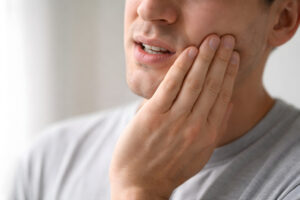
Many patients do not notice bone loss until it has already progressed. A sunken look near the cheek, nearby teeth that begin to drift, or a denture that no longer fits snugly can all point to the same underlying issue. Catching these changes early can make treatment simpler and shorten the time it takes to reach a finished smile.
How We Rebuild the Jawbone
Before recommending any graft, we review detailed imaging of your jaw to measure exactly how much bone remains and where support is needed most. This step helps us build a plan around your mouth instead of applying the same approach to every patient.
Types of Bone Graft Material
The right graft material depends on how much bone has been lost and where the gap sits in your mouth.
- Autografts: bone taken from another area of your own body, which tends to integrate well because it is already living tissue.
- Allografts: processed bone sourced from a human tissue bank, which spares you a second surgical site.
- Xenografts: processed bone from an animal source, often used as a scaffold that your body gradually replaces with its own bone.
- Synthetic grafts: lab-made materials that mimic natural bone structure and encourage new growth.
When the jaw has narrowed significantly, we may also recommend ridge augmentation alongside a graft, as this widens the ridge enough to support an implant securely.
What to Expect Before and After Your Graft
Once we confirm you need a graft, we place the material during a short procedure and give the site time to heal before moving forward with an implant. Healing generally takes several months, though the exact timeline depends on the size of the graft and your own healing pace.
Recovery and Healing
During recovery, we may ask you to favor softer foods, keep the area clean, and attend a few short follow-up visits so we can track how the graft is settling in. Most patients describe the recovery as manageable, especially compared with the confidence that comes from knowing the foundation for their new tooth is solid.
Considering All Your Options
Research supports this approach. A 2026 analysis of more than 158,000 dental implants found that implants placed alongside bone grafting had a clinical success rate of 97.83 percent, statistically comparable to implants placed in native bone, which shows a graft does not put your results at risk.
For patients with more significant bone loss, we may also discuss All-on-4 implants as an alternative that can sometimes reduce the amount of grafting needed. Dr. Naylor is direct about the tradeoffs of every option, noting that dentures are for smiling, not eating, when patients ask why we lean toward implant-supported solutions whenever possible.
Rebuild Your Smile With Naylor Family Dental and Implant Center
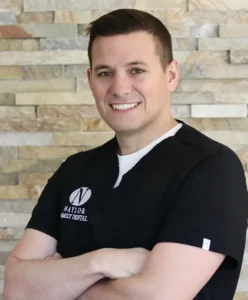
Dr. Brian Naylor completed his dental education at Indiana University in 2017 and has built a practice around personalized treatment plans instead of a one-size-fits-all approach. From the first consultation, we explain whether a graft is necessary, walk through financing options like Cherry, CareCredit, and Proceed Finance, and work with major PPO insurance providers to help make treatment easier to afford.
If a missing tooth has left you unsure whether an implant is still possible, we may be able to help you find a path forward with a bone graft built around your goals and your budget. Reach out through our contact form to schedule a consultation and start rebuilding a smile that lasts.